


Choose by sleep style first, then compare duvet specs
The ideal sleep temperature is 18–20°C.
The best duvet for Canada is not always the thickest duvet or the one with the highest fill power. A good duvet should match your body temperature, bedroom climate, mattress size, and preferred feel. If you sleep hot, wake up sweaty, or live in a well-heated condo, a light warmth duvet with a breathable shell may feel better than a heavy winter duvet. If you sleep cold, use a basement bedroom, or keep the room below 18°C in winter, you may need more fill weight and a warmer construction.
Royal Elite recommends starting with five practical questions: Are you a hot sleeper or a cold sleeper? Do you want one duvet for all seasons? Is your bedroom warm, cool, or drafty? Do you share the bed with a partner? Do you prefer a lofty hotel-bed look or a lighter, closer-to-body feel? These answers make it easier to compare down duvets, feather blends, and down alternative duvets without relying on a single number.
Shell Fabric
Refers to the outer material of a duvet. It affects breathability, softness, durability, and how well the down stays inside, making it an important factor in both comfort and performance.
Fill Power
Measures how fluffy and efficient down is at trapping heat— the higher the fill power, the lighter, loftier, and more insulating the duvet.
Fill Weight
Amount of fill material inside the duvet— the more fill it contains, the heaviere and warmer the duvet will generally feel.
Construction
Refers to how the filling is stitched inside the shell, helping keep the fill evenly distributed for consistent warmth, loft, and comfort.
Duvet Fill Types
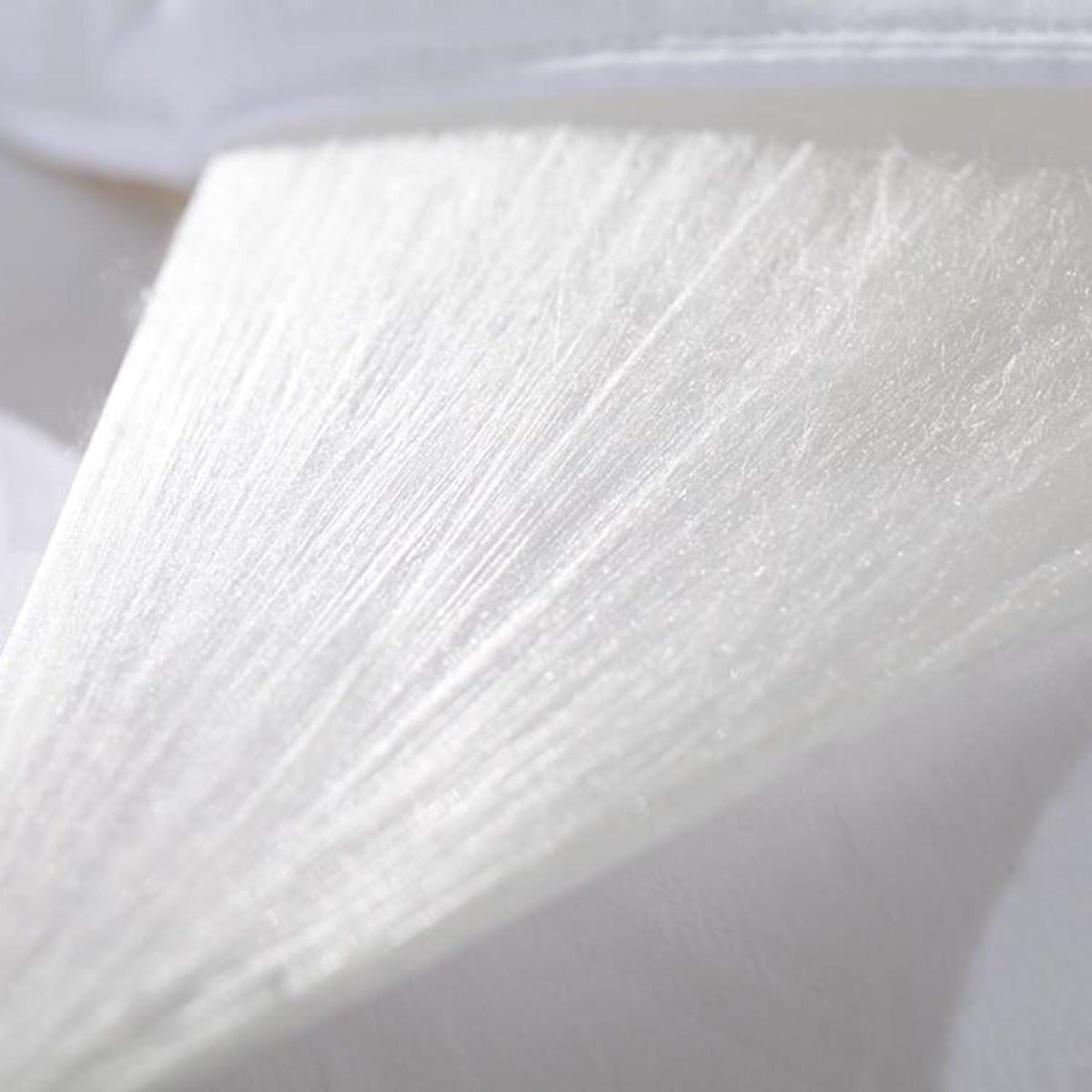
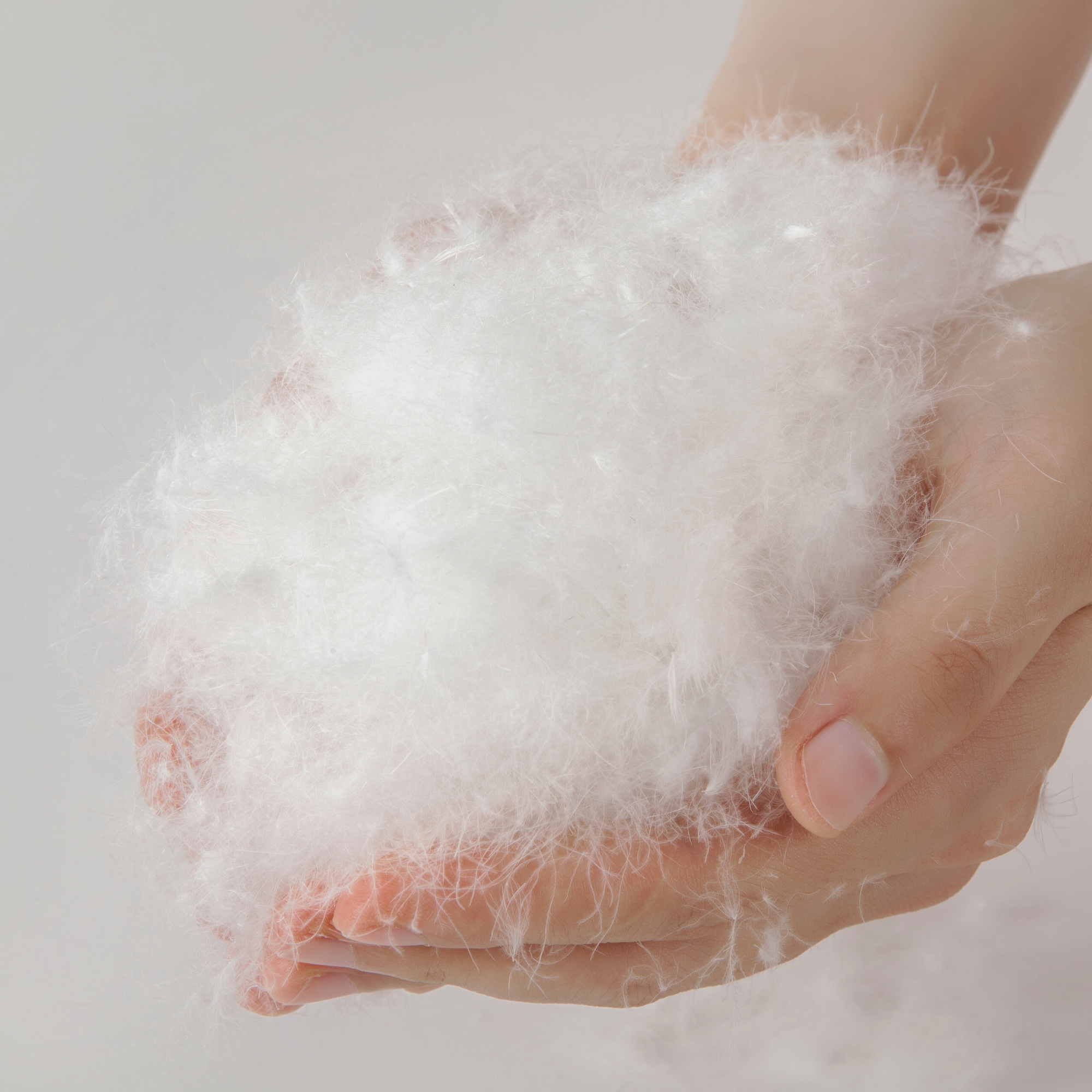
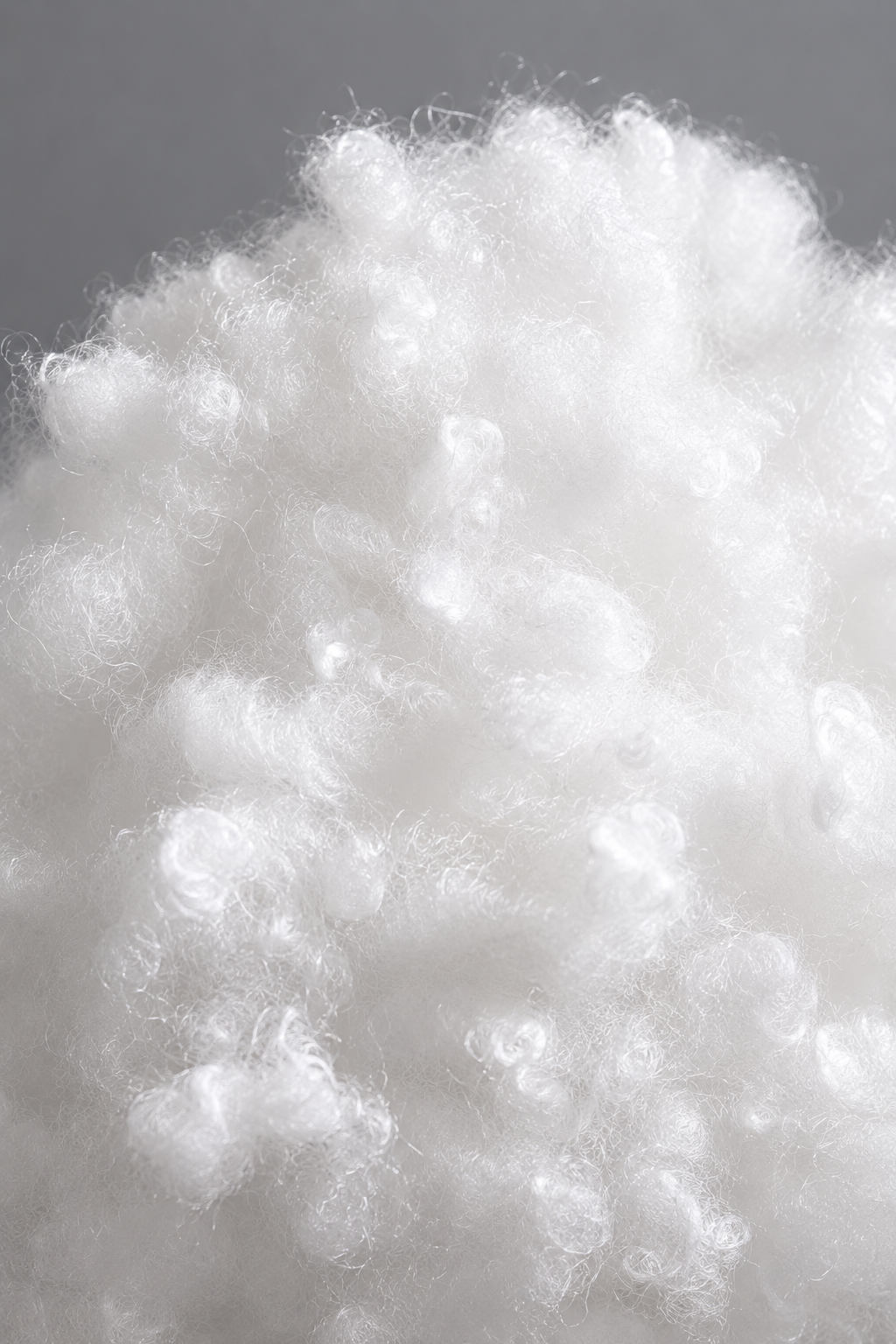
Duvet fills are available in both natural and synthetic materials, each offering unique benefits. Down is prized for its exceptional warmth, loft, and lightweight comfort, while feather provides a firmer feel and reliable insulation. Silk offers luxurious softness with excellent temperature regulation, bamboo viscose is naturally breathable and moisture-wicking for cooler sleep, and wool helps regulate body temperature while managing moisture year-round. Polyester, a hypoallergenic synthetic fill, is valued for its durability, easy care, and affordability, making it an excellent choice for everyday comfort.

FAQs
What is the difference between a duvet and a comforter?
A duvet and a comforter are similar bedding products, but the main difference is that a duvet is designed to be used with a removable duvet cover, while a comforter has a finished outer fabric and is typically used on its own. In Canada and Europe, the term duvet is more commonly used, whereas in the United States, comforter is the more familiar name, even though both serve the same purpose of providing warmth and comfort.
Does higher fill power always mean a warmer duvet?
No. Fill power measures loft and insulation efficiency, but total warmth also depends on fill weight, construction, shell fabric, and room temperature. Higher fill power often means a duvet can feel warmer for its weight, not that it is automatically the warmest option.
Down, feather, or down alternative: which duvet fill is best?
Down is usually the lightest and loftiest option. Feather blends can feel more substantial. Down alternative is often easier to maintain and may suit sleepers who prefer non-animal fill. The best choice depends on warmth needs, care preferences, budget, and sensitivities.